

Dubai launches smart technology to protect aircraft from aerial hazards
Real-time alerts to guide pilots around aerial hazards efficiently
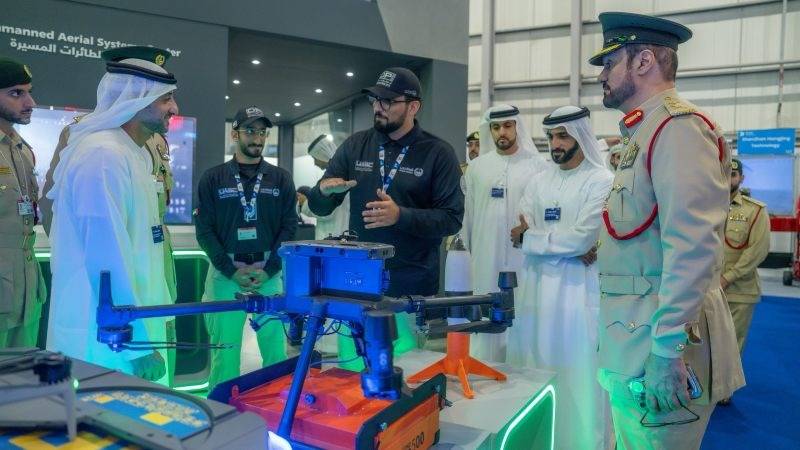
DUBAI – Sheikh Ahmed bin Saeed Al Maktoum, President of the Dubai Civil Aviation Authority, has unveiled an innovative system at the Dubai Airshow designed to protect aircraft from colliding with wires and other aerial obstacles.
The launch took place in the presence of senior officials including Lieutenant General Abdullah Khalifa Al Marri, Commander-in-Chief of Dubai Police, and Mohammed Abdulla Lengawi, Director General of the Dubai Civil Aviation Authority.
How does the new system work?
The new system integrates geographic-positioning technology with highly detailed digital maps that include power lines, towers, antennas, and other potential hazards along flight paths. Updated periodically, these maps provide pilots with accurate information to enhance low-altitude flight safety.
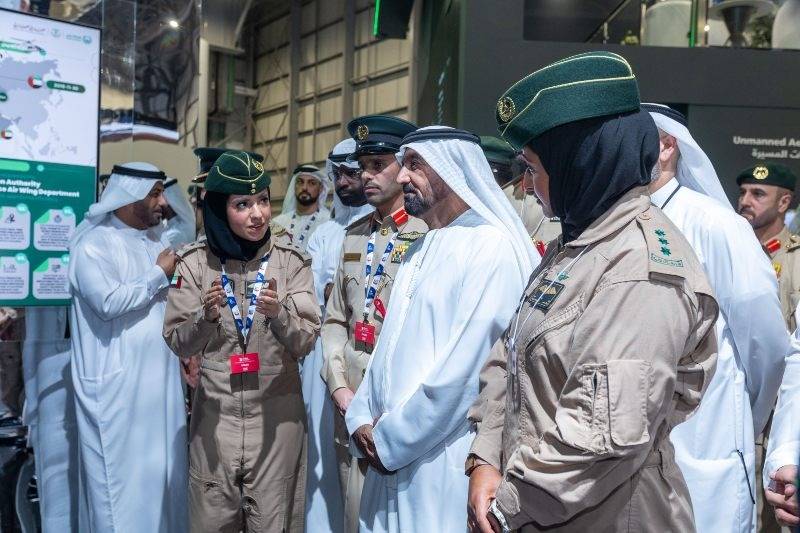
Dubai Police explained that the system operates through a smart application compatible with mobile devices and smart watches. It monitors the aircraft’s location in real-time and issues audio and vibration alerts when approaching obstacles, allowing pilots to take immediate action to avoid accidents.
Who developed the system?
The system was developed jointly by Dubai Police and the Dubai Civil Aviation Authority. The DCAA contributed accurate geographic data, enhancing the system’s ability to detect obstacles effectively.
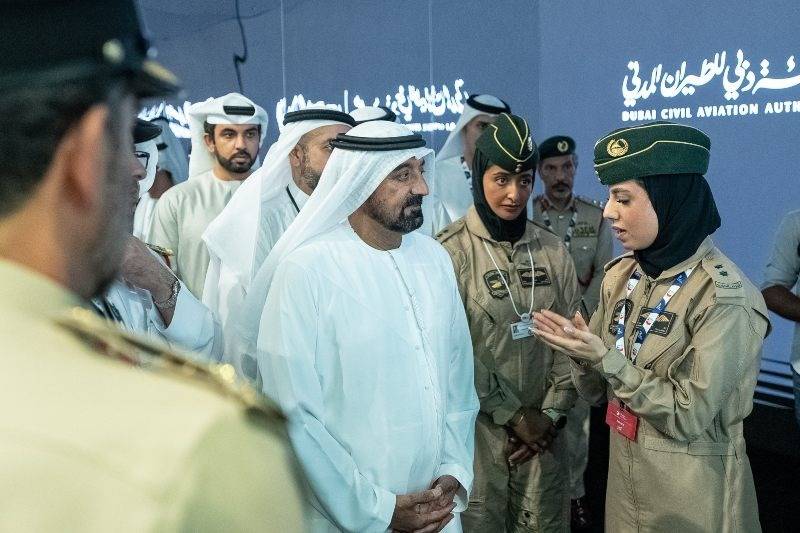
Dubai Police confirmed that the technology is suitable for all types of light aircraft and helicopters, offering a preventive solution without the need for additional equipment.
Where will it be used?
The system is intended for use across Dubai’s airspace, particularly in low-altitude operations where risks of collisions with aerial hazards are higher. The collaboration between Dubai Police and the DCAA highlights a strategic model of government partnership, combining innovative technology and aviation expertise to support safety.
Officials stressed that the system represents a qualitative leap in flight safety. By providing early detection of obstacles, it reduces risks to pilots, passengers, and property.